
By Dr. Priyanka Acharya – Psychologist & STI–PPTCT Counsellor
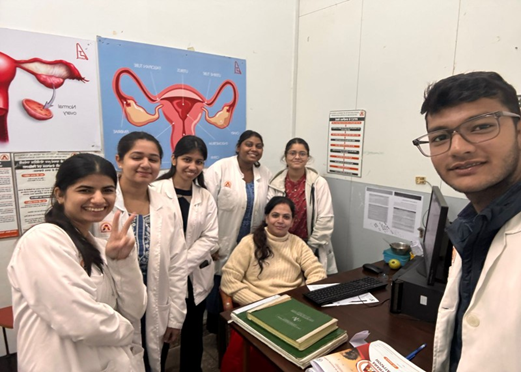
Sexually Transmitted Infections (STIs) and the Prevention of Parent-to-Child Transmission (PPTCT) are vital areas in public health.
To strengthen awareness among future doctors, a comprehensive training session was conducted for MBBS Final Year Elective students, focusing on screening, diagnosis, prevention, and counselling.
Introduction to STI & PPTCT
STIs include infections such as:
- HIV
- Syphilis
- Gonorrhoea
- Chlamydia
- Herpes
PPTCT aims to prevent transmission of HIV and Syphilis from an infected mother to her child during:
- Pregnancy
- Delivery
- Breastfeeding
Students were taught the importance of early antenatal screening and how timely intervention protects both mother and new-born.
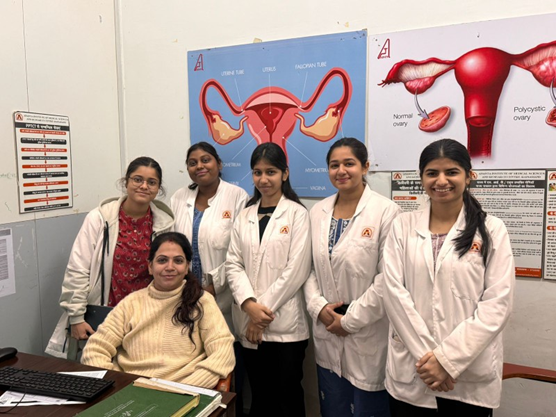
Counselling & Department Interaction
Importance of First Trimester Screening
All pregnant women must undergo key tests in the first trimester, such as:
✔ HIV Screening (Rapid / ELISA)
✔ Syphilis Screening (VDRL / RPR)
Early detection ensures:
- Early treatment
- Reduced complications
- Prevention of mother-to-child transmission
The session also covered report interpretation, follow-up care, and maintaining confidentiality.
Management & Treatment Protocols
For HIV-Positive Pregnant Women:
- Immediate ART initiation
- Adherence counselling
- Regular viral load monitoring
- Delivery & breastfeeding guidance
For Syphilis-Positive Pregnant Women:
- Inj. Benzathine Penicillin
- Partner treatment
- Follow-up testing
These steps significantly reduce new-born infections.
Counselling Components Covered
Students learned essential counselling skills, including:
- High-risk behaviour counselling
- Condom use & safe-sex promotion
- Partner involvement
- Reducing stigma & myths
- Importance of mental health
- Emotional and dietary support
Effective counselling builds trust, promotes testing, and inspires treatment adherence.
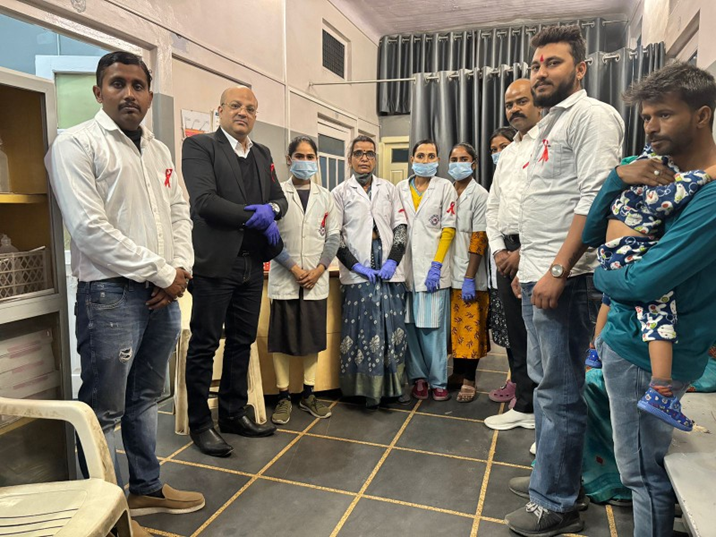
Departmental Practical Learning
Students visited multiple departments including:
- Skin & VD Department
- Gynaecology OPD
- ICTC (HIV testing centre)
They observed:
- STI case identification
- PPTCT counselling
- HIV testing process
- Real-life patient support scenarios
This enhanced their confidence and real-world clinical understanding.
Key Takeaways for MBBS Students
- Prevention is better than cure
- First-trimester screening is essential
- ART continuity ensures safe delivery
- Awareness and sensitivity are crucial
Counselling plays a vital role in STI/HIV care
Conclusion
The session proved to be highly impactful for the MBBS elective students. Through knowledge, early testing, timely treatment, and compassionate counselling, the burden of STIs and mother-to-child transmission can be greatly reduced.Future doctors must advocate awareness, early diagnosis, and supportive care—because prevention begins with knowledge.